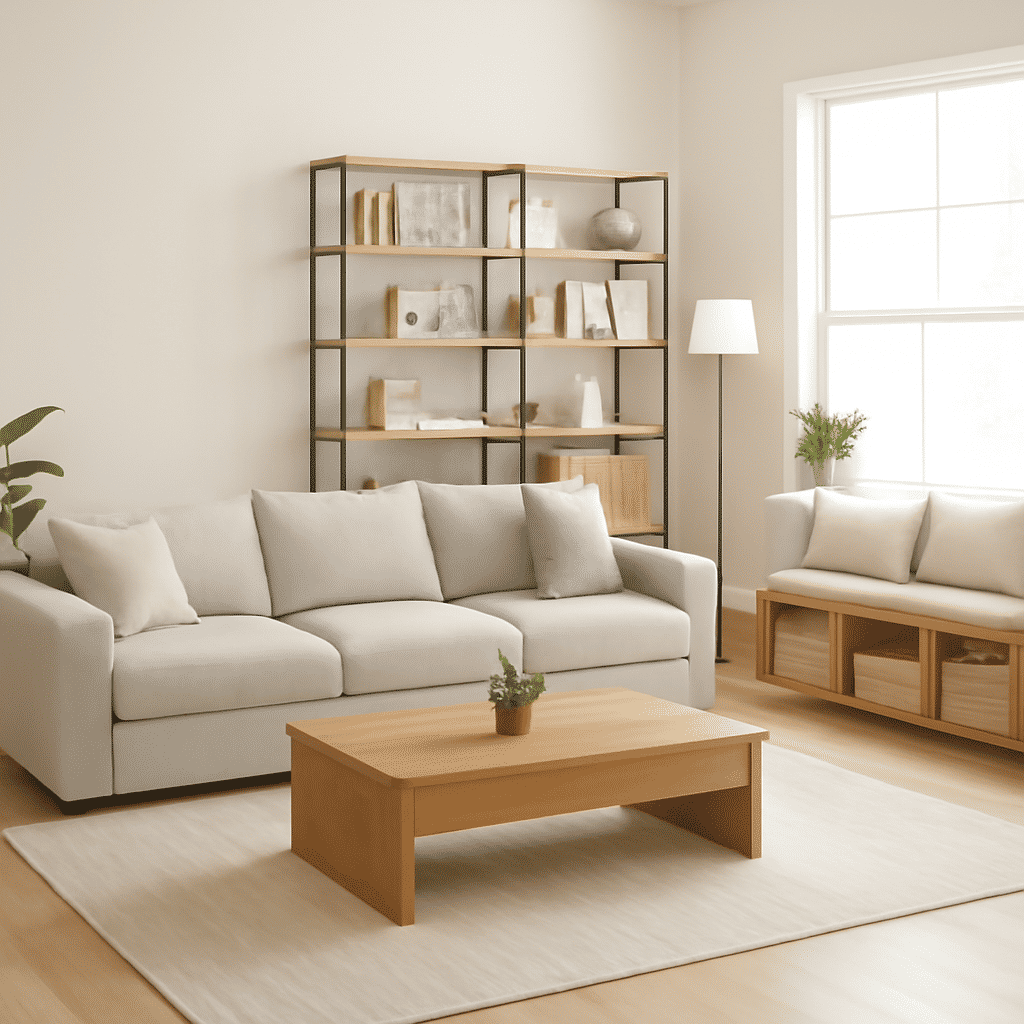
Arranging furniture in any room can greatly affect the ambiance and functionality of the space. Whether dealing with a compact area or a more spacious environment, the key is to balance aesthetics with practicality. Here are some strategies to effectively utilize your space through clever furniture placement.
Understanding Your Space
Before moving any pieces, take a moment to understand the room's dimensions and purpose. Measure the length and width of the room and make note of any unusual features that might affect arrangement options, such as windows, radiators, or support beams. Knowing these details beforehand helps in planning a layout that optimizes the area.
Define Zones
In open or large spaces, defining zones can create a more organized and inviting atmosphere. You might want a lounging area, a workspace, or a reading nook. Use rugs, lighting, or furniture itself to delineate different parts of the room.
Prioritize Function
Identify the primary function of the room and arrange the furniture to support this. In a living area intended for relaxation and socializing, focus on creating conversation-friendly seating arrangements. For a dining space, ensure that there is enough room to move around comfortably, even when chairs are pulled out.
Scale and Proportion
Choose furniture that fits the scale of the room. Large pieces can dominate a small space, making it feel cramped, while too-small furniture in a vast room can seem out of place. Ensure that the size of the furniture you select is proportional to the room's dimensions.
Balance and Symmetry
Asymmetrical arrangements can inject personality and interest but strive to maintain balance. For instance, if you place a large sofa on one side of the room, you might balance it with a pair of chairs or a large piece of art on the opposite side. Symmetry, particularly in formal rooms, can create a sense of order and predictability.
Paths for Movement
Ensure there is a clear path for movement throughout the room. Allow enough space between furniture pieces so people can move smoothly without bumping into anything. This consideration is particularly crucial in high-traffic areas.
Utilize Vertical Space
In smaller rooms, consider how vertical space can be utilized to free up floor space. Wall-mounted shelves and hooks can store items without encroaching on the living area. Tall bookcases draw the eye upward, creating the illusion of a taller ceiling.
Flexible and Multi-use Furniture
Opt for pieces that can serve more than one purpose. A daybed functions as both a sofa and bed, while an expandable dining table can accommodate extra guests when needed. Furniture on wheels can be easily rearranged to suit different activities or occasions.
Light and Reflective Surfaces
Mirrors and reflective surfaces can enhance the sense of space. Placing mirrors across from windows amplifies natural light, making the room feel airier. Light-colored furniture and walls can also contribute to the perception of an expansive room.
Final Touches
Once the major pieces are in place, add final touches to bring warmth and personality to your space. Decorative objects, plants, and artwork can tie the entire room together and make it feel homely and inviting.
By thoughtfully considering these aspects of furniture arrangement, you can maximize any room's potential, transforming it into a functional and appealing environment. Whether your space is limited or generous, careful planning and creative thinking can create a harmonious balance between form and function.